Introduction
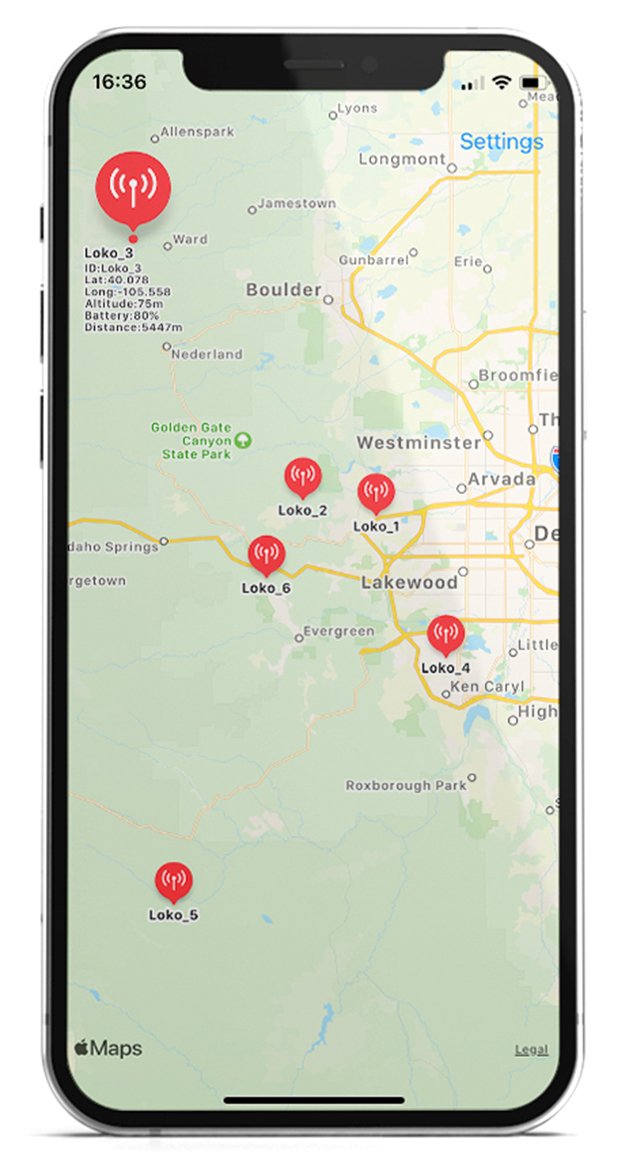
Extended range and battery life in GPS trackers play a crucial role in ensuring reliable and efficient tracking for emergency situations and remote travel. Devices offering 5km+ range coupled with up to 1-year battery capacity deliver benefits including improved dependability during extended trips and enhanced functionality in hard-to-reach locations where frequent charging or battery replacement isn't practical.
Understanding GPS Tracker Specifications
When evaluating GPS trackers, two critical specifications determine real-world performance: communication range and battery longevity. Understanding these factors helps you select devices that match your specific tracking requirements.
Communication Range Factors
Several variables influence effective GPS tracker range:
- Signal Strength: Transmit power and radio technology determine maximum theoretical range
- Device Sensitivity: Receiver sensitivity affects ability to detect weak signals at distance
- Environmental Obstructions: Buildings, terrain, and vegetation block or weaken signals
- Antenna Quality: Antenna design significantly impacts signal transmission and reception
- Satellite Coverage: Multi-system support (GPS, GLONASS, GALILEO) improves positioning reliability
Battery Longevity Determinants
Battery life depends on several device configurations and usage patterns:
- Update Frequency: More frequent position reports drain batteries faster
- Power Management: Intelligent sleep modes between transmissions conserve energy
- Communication Technology: LoRa radio uses significantly less power than cellular modems
- Satellite System Usage: Multi-system positioning requires more processing power
Real-time continuous monitoring drains power substantially faster than periodic updates configured at longer intervals.
Product Recommendations
Several GPS trackers deliver impressive range and battery specifications:
1. Family1st Portable GPS Tracker
Features 4G connectivity providing wide-area coverage and Alexa compatibility for voice-activated tracking queries. Battery life extends 14+ days depending on update frequency. The compact design suits various applications from vehicle tracking to personal safety monitoring.
2. Amcrest GL300W
Emphasizes concealed tracking capabilities with compact dimensions ideal for discreet deployment. Includes emergency SOS functionality enabling immediate alert transmission in critical situations. Cellular-based communication requires monthly subscription but provides nationwide coverage.
3. GeoZilla GPS Tracker
Highlights customizable notifications allowing users to configure alerts for specific events or boundaries. Active usage window ranges from 48-72 hours, with standby mode extending total battery life to several weeks. Mobile app provides intuitive management and historical tracking review.
4. Americaloc GL300W
Marketed as a compact multi-purpose device suitable for vehicles, assets, and personal tracking. Features straightforward setup and user-friendly mobile interface. Monthly subscription required for cellular data connectivity.
5. Other Notable Options
Additional trackers worth considering include:
- Optimus 2.0: Extended battery capacity with hardwire kit option for continuous operation
- Tracki Mini: Ultra-compact design with global 4G coverage
- LandAirSea 54: Weatherproof construction with flexible subscription tiers
- Invoxia: Long battery life (several months) with low-power design
- Spytec GL300: Two-week battery life with straightforward mobile app
Selection Guidance
Prospective buyers should evaluate several considerations before purchasing:
Intended Use Cases
Different applications demand different specifications:
- Vehicle Tracking: Hardwired power connection eliminates battery concerns; cellular coverage usually adequate
- Remote Asset Monitoring: Extended battery life essential; consider radio-based solutions where cellular coverage limited
- Personal Safety: Balance compact size against battery capacity; emergency features critical
- Outdoor Recreation: Rugged construction and non-cellular communication important in wilderness areas
Verify Technical Specifications
Confirm specifications match your requirements:
- Actual battery life under your intended update frequency
- Communication range in your typical operating environments
- Cellular coverage in your geographic areas (if applicable)
- Weather resistance ratings for your conditions
Assess Supplementary Capabilities
Consider valuable additional features:
- Geofencing: Automatic alerts when tracker crosses designated boundaries
- Hidden Operation Modes: Discreet tracking without visible indicators
- Historical Tracking: Access to past routes and locations
- Multi-Device Management: Ability to monitor multiple trackers from single interface
Battery Optimization Strategies
Maximize battery life through intelligent configuration:
- Adjust Update Intervals: Configure longer intervals between position reports when real-time monitoring isn't critical
- Use Motion Detection: Enable tracking only when movement detected, conserving power during stationary periods
- Optimize Geofences: Configure alerts for boundary violations rather than continuous monitoring
- Regular Charging: Establish charging routine preventing complete discharge which degrades battery capacity
Range-Affecting Variables
Understanding environmental factors helps set realistic expectations:
- Urban Environments: Buildings reflect and block signals, reducing effective range significantly
- Rural Areas: Open terrain with minimal obstructions maximizes range potential
- Forested Regions: Dense tree canopy attenuates radio signals, particularly at higher frequencies
- Elevation Differences: Higher antenna positioning extends line-of-sight range
Trade-offs: Continuous Tracking vs. Power Consumption
Every tracking application involves balancing update frequency against battery longevity:
- Real-Time Monitoring (1-5 minute updates): Provides current position but drains battery in days
- Frequent Updates (15-30 minute intervals): Balance between currency and battery life (weeks)
- Periodic Reporting (1-4 hour intervals): Extended battery life (months) suitable for slow-moving assets
- Event-Based Tracking: Transmit only when specific events occur, maximizing battery efficiency
Conclusion
GPS trackers offering 5km+ range and up to 1 year battery life provide substantial advantages for applications requiring extended operation in remote environments. When selecting devices, carefully evaluate your specific requirements including typical operating locations, necessary update frequency, battery replacement accessibility, and budget constraints.
For applications in remote areas without reliable cellular coverage, consider radio-based alternatives using LoRa technology that eliminate monthly subscription fees while delivering exceptional battery life and extended communication range. Match tracker specifications to your actual needs rather than simply selecting maximum specifications, as this approach optimizes cost-effectiveness and operational efficiency.