Introduction
Long-range IoT communication requires technologies that enable devices to transmit data across vast distances. LoRa, LoRa P2P, and LoRaWAN are radio technologies designed to facilitate such communication, offering low-power, long-range solutions. The Loko GPS Tracker exemplifies practical application of these technologies for tracking and asset management.
Understanding LoRa Technology
LoRa functions as an RF modulation technology for low-power, wide-area networks. Its foundation rests on Chirp Spread Spectrum modulation, which delivers long-range communication, low power consumption, and robust resistance to interference. Battery-operated devices utilizing LoRa can operate for up to a decade while maintaining reliable urban and rural connectivity.
LoRa P2P vs. LoRaWAN: The Basics
LoRa P2P enables direct device-to-device transmission without centralized infrastructure, supporting real-time data exchange with minimal latency. Conversely, LoRaWAN operates as an open protocol based on LoRa technology that supports large-scale networks and deep in-building communication.
Key differences include:
- Network structure varies (peer-to-peer versus hierarchical)
- Scalability differs (smaller applications versus expansive deployments)
- Use cases depend on device quantity, range requirements, and architecture preferences
LoRaWAN Network Components
LoRaWAN systems comprise six essential elements:
- End devices: Sensors and actuators transmitting/receiving data
- Gateways: Intermediaries receiving and transmitting LoRa RF messages
- Network servers: Managing parameters and ensuring message authenticity
- Application servers: Processing sensor data and generating device payloads
- Join servers: Managing device activation procedures
- Device classes (A, B, C): Offering varying power consumption and communication flexibility
Benefits of LoRa P2P Communication
LoRa P2P delivers three primary advantages: extending LoRaWAN coverage to remote areas, reducing infrastructure costs through eliminating centralized servers, and offering flexible network design without maintenance complexity.
Security in LoRaWAN Networks
LoRaWAN employs two critical security mechanisms: mutual authentication during device joining ensures only authorized devices connect, and message authentication prevents data tampering and unauthorized modifications.
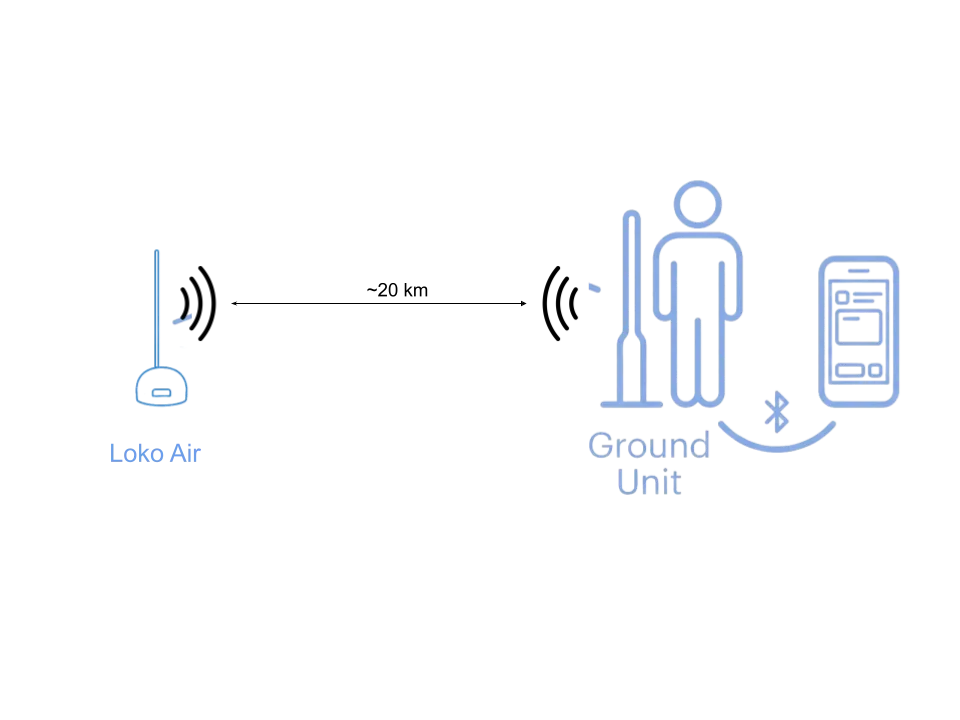
Loko GPS Tracker: Real-World Application
This device demonstrates practical LoRa implementation with:
- Multi-satellite compatibility (GPS, GLONASS, GALILEO)
- Water, dust, and crash resistance
- Over 5-kilometer range with up to 1 year battery life
- Compact 12-gram design (30 x 23 mm)
Conclusion
Understanding LoRa P2P and LoRaWAN distinctions helps organizations select appropriate communication solutions for specific IoT requirements.